
 By
By 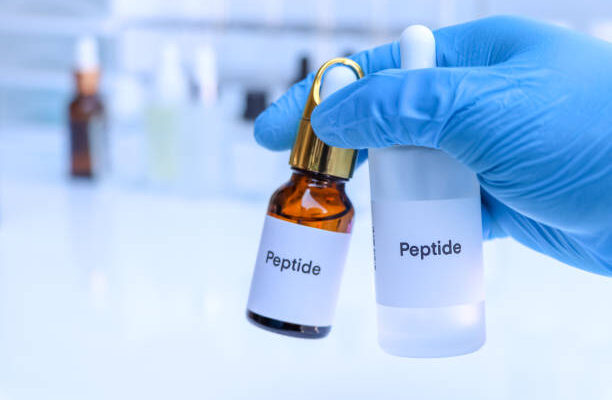
Lyophilized Peptides are widely used in laboratory environments because of their stability, ease of storage, and convenience for scientific research. Researchers often choose freeze-dried peptides over liquid formulations since they generally maintain their integrity for longer periods when handled correctly. One of the most common questions among laboratory professionals is whether Lyophilized Peptides can be frozen. The answer is yes—but proper storage practices are essential to preserve peptide quality and minimize degradation over time.
Why Freeze-Dried Peptides Are More Stable
The lyophilization process removes water from peptides through freeze-drying, significantly reducing the likelihood of hydrolysis and other moisture-related degradation. Without water, many chemical reactions that can damage peptides occur much more slowly, making Lyophilized Peptides an excellent option for extended laboratory storage.
Although lyophilization greatly improves stability, peptides remain sensitive to environmental factors such as humidity, excessive heat, repeated exposure to air, and contamination. Appropriate storage conditions help ensure that research materials remain consistent throughout experimental use.

lyophilized peptides
Can Lyophilized Peptides Be Frozen?
Yes, freezing is often recommended for the long-term storage of Lyophilized Peptides. Many laboratories store unopened peptide vials in laboratory freezers at temperatures well below refrigeration levels to maximize shelf life. Low temperatures help slow chemical reactions that could gradually reduce peptide purity or potency.
Before placing peptides in a freezer, researchers should verify that the vials are tightly sealed to prevent moisture from entering the container. Condensation can become an issue if improperly sealed products are exposed to changing temperatures, potentially affecting the quality of the peptide powder.
Avoid Frequent Freeze-Thaw Cycles
While freezing is beneficial, repeatedly removing peptides from the freezer and returning them can expose the contents to temperature fluctuations and moisture. Frequent freeze-thaw cycles increase the risk of condensation inside the vial, which may negatively impact sample stability.
To reduce unnecessary handling, many research laboratories divide larger quantities into smaller aliquots before long-term storage. This practice allows individual portions to be used without repeatedly opening the primary container.
Proper Storage Before and After Reconstitution
Unopened Lyophilized Peptides generally tolerate freezer storage very well when protected from moisture and light. However, once peptides are reconstituted using an appropriate laboratory solvent, their storage requirements often change. Reconstituted peptide solutions typically have a shorter usable lifespan than their freeze-dried counterparts and may require refrigeration or freezing depending on laboratory protocols and the characteristics of the specific peptide.
Researchers should always establish storage procedures based on the intended research timeline and available stability information for each peptide.
Choosing Quality Research Materials
Reliable storage practices begin with obtaining quality research products from dependable suppliers. Biotech Labz Supply provides extensively tested research peptides, laboratory supplies, research compounds, bacteriostatic water, and laboratory essentials intended exclusively for scientific research. Available laboratory analysis supports product quality, helping researchers maintain confidence in the materials used throughout their studies.
The company also offers competitive pricing, bulk purchasing opportunities, and a satisfaction guarantee, making it easier for laboratories to source dependable research supplies while maintaining consistent inventory.
Best Practices for Long-Term Storage
Researchers can maximize the lifespan of Lyophilized Peptides by following several straightforward storage recommendations. Store peptide vials in clean, dry conditions with minimal exposure to humidity. Keep containers tightly sealed until they are ready for use. Protect samples from repeated temperature changes, and avoid leaving vials at room temperature longer than necessary during handling.
Using properly labeled storage containers and documenting storage dates also helps laboratories maintain organized inventories and improve research reproducibility.
Conclusion
Freezing Lyophilized Peptides is a widely accepted practice for long-term laboratory storage when appropriate handling procedures are followed. Keeping peptides sealed, dry, and protected from repeated freeze-thaw cycles helps preserve their stability and supports reliable research outcomes. By combining careful storage techniques with extensively tested research products from trusted suppliers like Biotech Labz Supply, laboratories can better maintain sample integrity and promote consistent performance throughout scientific investigations. Remember that these products are intended strictly for research applications and should always be handled according to established laboratory protocols.












Comments