
 By
By 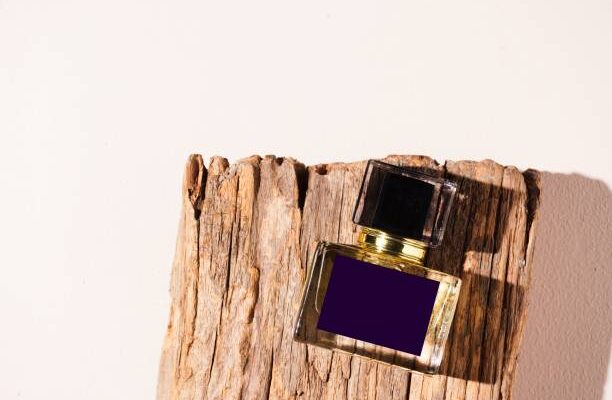
Quick Answer: Extrait de parfum, also called pure perfume or perfume extract, is the most concentrated fragrance category, typically containing 20 to 40% aromatic compounds compared to 15 to 20% in eau de parfum. The higher concentration produces deeper scent development, longer wear time often exceeding eight hours, and a richer, more textured experience on skin. It is the original, oldest fragrance classification, predating the diluted EDP and EDT formats most consumers know today.
Most people who shop for fragrance never actually think about what the words on the label mean. Eau de toilette, eau de parfum, extrait de parfum, these are treated as marketing tiers rather than chemical facts. That is a mistake, because the difference between them is not branding. It is concentration, and concentration changes almost everything about how a scent behaves on skin.
Extrait de parfum sits at the top of that hierarchy, and understanding why reveals something genuinely useful about how fragrance works. This guide breaks down what extrait de parfum actually means, how it compares to the other formats on a perfume counter, and why the concentration difference matters far more than most buyers realize.
What Does “Extrait de Parfum” Actually Mean?
The term comes directly from French perfumery terminology, where “extrait” means extract. It refers to the concentration of aromatic compounds, the actual perfume oils, dissolved in the alcohol and water carrier base. Extrait de parfum is not a different scent formula from an EDP version of the same fragrance; it is the same composition at a substantially higher concentration of essential oils relative to the diluting base.
Historically, extrait de parfum was simply called “perfume” or “parfum” without qualification, because it was the original and only format perfume houses produced. The diluted versions, eau de parfum and eau de toilette, were developed later as more affordable, lighter alternatives that allowed perfume houses to reach broader markets without requiring the volume of expensive raw materials that a full extrait demands.
The practical consequence: extrait de parfum costs more to produce because it requires significantly more concentrated aromatic material per bottle. That cost is reflected in the price, but it also delivers a fundamentally different wearing experience.
The Concentration Breakdown: How Extrait Compares to Other Fragrance Types
Understanding the concentration hierarchy clarifies exactly what you are paying for at each price point.
Extrait de parfum (Parfum/Pure Perfume): 20 to 40% aromatic compound concentration. The highest standard concentration, producing the longest wear, the deepest scent development, and the smallest quantity needed per application.
Eau de Parfum (EDP): 15 to 20% concentration. The most common format sold today, balancing longevity with a more approachable price point than extrait.
Eau de Toilette (EDT): 5 to 15% concentration. Lighter, fresher in initial impression, typically worn for daytime use with a shorter wear time of three to five hours.
Eau de Cologne (EDC): 2 to 4% concentration. The lightest standard format, historically associated with citrus-forward formulations meant for frequent reapplication.
Eau Fraiche: 1 to 3% concentration, sometimes containing no alcohol at all. The lightest and most fleeting format, often used as a refreshing splash rather than a primary fragrance.
Why Concentration Changes the Scent Experience, Not Just the Duration
This is the part that surprises people who assume concentration only affects how long a scent lasts. It changes more than that.
Scent Development and Depth
Perfume is built in layers, or “notes”: top notes that appear first and fade quickly, heart notes that emerge as the top notes settle, and base notes that develop slowly and provide the lasting foundation. In a lower-concentration format like EDT, the lighter top notes dominate because there is less concentrated material to sustain the deeper base notes through the wear cycle. In extrait de parfum, the higher concentration allows the heart and base notes to develop fully and remain perceptible for hours, producing a richer, more complex scent journey from application to fade.
Skin Chemistry Interaction
Perfume interacts with the natural oils and pH of individual skin, which is why the same fragrance smells different on different people. Extrait de parfum, with its higher concentration of aromatic compounds, gives skin chemistry more material to interact with, often producing a more personalized, skin-like result. Wearers frequently describe extrait formulations as feeling like they “become part of” their natural scent rather than sitting on top of it the way lighter formats can.
Sillage and Projection
Sillage (pronounced see-yahzh, French for “wake”) refers to the trail of scent a fragrance leaves as someone moves through a space. Extrait de parfum generally has a more intimate, close-to-skin sillage compared to EDP or EDT, despite its higher concentration. This is a common misconception: people assume higher concentration means a louder, more projecting scent. In practice, the higher oil content slows the rate of evaporation, which keeps more of the scent close to the skin rather than rapidly diffusing into the surrounding air.
Why Extrait de Parfum Lasts Longer on Skin
Longevity comes down to the rate at which aromatic compounds evaporate. A higher concentration of fragrance oil relative to the volatile alcohol carrier means there is simply more aromatic material present to evaporate over time, extending the period before the scent fades below detectable levels.
Most extrait de parfum formulations last 8 to 12 hours on skin, with some heavier amber, oud, or vanilla-forward compositions lasting into a second day on fabric or hair. This is one of the primary reasons fragrance enthusiasts seek out extrait formats specifically, particularly for evening wear or occasions where reapplication is not practical.
Who Extrait de Parfum Is Right For
Fragrance enthusiasts who want maximum longevity: If reapplying throughout the day is inconvenient or undesirable, extrait’s extended wear time solves that problem directly.
Those with a preference for richer, more complex scent development: If you find lighter EDTs feel thin or one-dimensional, the deeper layering of an extrait formulation often delivers the complexity you are looking for.
Anyone sensitive to alcohol-forward sharpness: Because extrait contains less alcohol relative to fragrance oil, the initial application often feels smoother and less sharp than a high-alcohol EDT spray.
Special occasion and evening wear: The intimate, close-skin sillage of extrait makes it well suited to settings where a fragrance should be noticed up close rather than projected across a room.
How to Apply Extrait de Parfum for Best Results
Because of its concentration, extrait de parfum requires less product per application than EDP or EDT. Applying it the same way you would a lighter format often results in an overly intense initial impression that some wearers find off-putting.
Apply to pulse points: wrists, inner elbows, and the base of the neck, where body heat helps the fragrance develop and diffuse naturally throughout the day.
Use fewer sprays or dabs: one or two applications is typically sufficient given the concentration. Layering excessively can overwhelm rather than enhance.
Avoid rubbing wrists together after application: this friction can break down the top note structure prematurely, altering how the fragrance develops over time.
Frequently Asked Questions
Q: What does extrait de parfum mean?
Extrait de parfum, also called pure perfume or perfume extract, refers to the highest standard concentration of aromatic compounds in fragrance, typically 20 to 40%. It is the original perfume format and produces the longest wear time and deepest scent development compared to eau de parfum or eau de toilette.
Q: Is extrait de parfum stronger than eau de parfum?
In terms of concentration, yes. Extrait de parfum contains a higher percentage of fragrance oil than eau de parfum. However, “stronger” in terms of projection is not always accurate, since extrait formulations often have a closer, more intimate sillage rather than a louder, far-projecting one.
Q: How long does extrait de parfum last on skin?
Most extrait de parfum formulations last 8 to 12 hours on skin, with some heavier compositions lasting longer on fabric or hair. Actual longevity depends on individual skin chemistry, the specific fragrance notes, and environmental factors like humidity and temperature.
Q: Why is extrait de parfum more expensive than EDP or EDT?
Extrait de parfum requires a significantly higher proportion of concentrated aromatic raw materials per bottle compared to diluted formats. Those raw materials, particularly natural essential oils and high-quality synthetic aromatics, are the most expensive component of perfume production, which is reflected directly in the retail price.
Q: Can extrait de parfum be worn during the day?
Yes. The misconception that extrait is only appropriate for evening wear comes from its association with deeper, richer compositions, not from any rule about timing. Lighter extrait formulations, including citrus or fresh floral compositions at extrait concentration, work well for daytime wear, particularly when applied in smaller quantity.










Comments