
 By
By 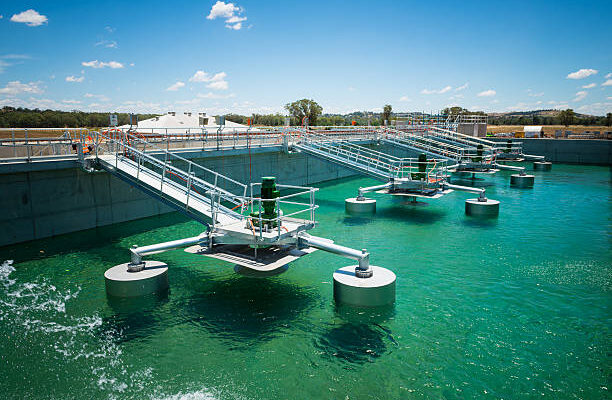
Water plays a vital role in nearly every industrial operation, from manufacturing and power generation to food processing and chemical production. As industries continue to expand, the demand for clean and reusable water has increased significantly. Companies are now focusing on smarter ways to manage water resources while reducing operational costs and environmental impact.
One of the most effective solutions is industrial water treatment. This process helps industries remove contaminants, improve water quality, and ensure compliance with environmental regulations. Beyond regulatory requirements, proper water treatment contributes to better equipment performance, reduced downtime, and long-term sustainability.
What Is Industrial Water Treatment?
Industrial water treatment refers to the processes and technologies used to purify, recycle, and manage water utilized in industrial facilities. The primary objective is to remove impurities that could damage equipment, affect product quality, or create environmental concerns.
Industries commonly treat water for purposes such as:
- Cooling systems, boiler operations, manufacturing processes, and wastewater management.
By implementing effective treatment systems, businesses can optimize water usage while minimizing waste and maintenance expenses.
Why Is Industrial Water Treatment Essential for Modern Businesses?
Water quality directly impacts operational efficiency. Untreated water often contains minerals, bacteria, suspended solids, and chemicals that can cause scaling, corrosion, and equipment failure.
Some major benefits include:
Reduced Equipment Maintenance
Clean water helps prevent buildup inside pipes, cooling towers, and boilers. This extends equipment lifespan and reduces repair costs.
Improved Production Quality
Many manufacturing processes require high-purity water. Contaminant-free water ensures consistent product quality and fewer production defects.
Environmental Compliance
Governments worldwide have strict regulations regarding wastewater discharge. Proper treatment helps companies meet legal requirements and avoid penalties.
Lower Operating Costs
Recycling and reusing treated water reduces overall consumption, lowering utility expenses over time.
How Does Industrial Water Treatment Technology Work?
Modern treatment systems combine several technologies to achieve desired water quality standards.
Filtration Systems
Filtration removes suspended particles, sediment, and debris from water. Depending on the application, industries may use sand filters, cartridge filters, or membrane filtration systems.
Reverse Osmosis
Reverse osmosis forces water through specialized membranes that remove dissolved salts, minerals, and contaminants. This technology is widely used in industries requiring ultra-pure water.
Chemical Treatment
Specific chemicals are added to control corrosion, scaling, and biological growth. This helps maintain the efficiency of industrial systems.
UV and Disinfection Methods
Ultraviolet treatment and other disinfection techniques eliminate harmful microorganisms without introducing excessive chemicals into the water supply.
Industrial Water Treatment Solutions for Different Industries
Different sectors require customized treatment approaches based on their water usage patterns.
Manufacturing Facilities
Manufacturers rely on treated water for production processes, machinery cooling, and cleaning operations. Effective treatment ensures uninterrupted productivity.
Power Generation Plants
Power plants use large volumes of water for steam production and cooling. High-quality treated water improves energy efficiency and equipment reliability.
Food and Beverage Industry
Clean water is essential for maintaining hygiene standards and product safety. Advanced treatment systems help meet strict quality requirements.
Chemical Processing Facilities
Chemical industries require specialized treatment to manage complex wastewater streams and recover valuable resources.
Real-World Example of Successful Water Treatment
Consider a manufacturing facility experiencing frequent boiler scaling. The buildup reduced efficiency and increased fuel consumption. After implementing a reverse osmosis and filtration system, the company significantly reduced scaling issues, lowered maintenance costs, and improved overall production efficiency.
This example demonstrates how a strategic water treatment investment can generate measurable operational benefits.
Pro Tip for Maximizing Water Treatment Performance
Industrial Water Treatment Maintenance Best Practice
A treatment system is only as effective as its maintenance program. Schedule regular water quality testing, inspect equipment routinely, and replace filters before performance declines. Preventive maintenance helps avoid unexpected breakdowns and maximizes return on investment.
Future Trends in Industrial Water Management
Industries are increasingly adopting smart monitoring technologies that provide real-time water quality data. Automated systems can detect issues instantly and adjust treatment processes without manual intervention.
Artificial intelligence, advanced sensors, and water recycling technologies are expected to further improve efficiency while supporting sustainability goals across industrial sectors.
Conclusion
Industrial water management is no longer just an operational requirement. It has become a strategic component of sustainable business growth. Effective industrial water treatment improves equipment performance, reduces costs, supports regulatory compliance, and conserves valuable water resources. As industries continue to embrace innovation, advanced treatment solutions will play a crucial role in creating more efficient and environmentally responsible operations.












Comments