
 By
By 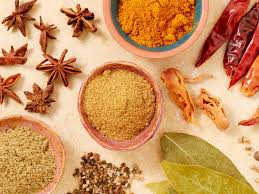
Quick Answer: Dried herbs lose flavor fast when stored near heat, light, or in poorly sealed containers. The fix is straightforward: airtight herb jars, away from the stove, in a dark cabinet or pantry. Done right, good herb storage keeps dried leafy herbs like basil and oregano potent for 12 to 18 months instead of going flat in three.
Why Your Herb Storage Setup Is Killing Your Spices
Most people toss their dried herbs in a drawer or leave them on the counter in whatever container they came in. Three months later, the oregano smells like dust and the basil contributes nothing to the dish. I’ve done this more times than I’d like to admit.
Here’s what’s actually happening: dried herbs carry their flavor through volatile oils, the same aromatic compounds that give basil its sweetness and cumin its warmth. These oils break down fast when exposed to oxygen, light, and heat. Once they’re gone, the herb is basically filler.
The degradation is predictable. And almost entirely preventable with the right herb storage approach.
The Worst Spot in Your Kitchen for Herb Storage
A lot of kitchens store dried herbs in thin plastic jars right next to the stove. That’s probably the single worst place for them. Heat and steam from cooking accelerate the breakdown of volatile oils faster than almost anything else. A herb jar sitting six inches from a burner will lose meaningful potency within three to four months, even with a lid that closes properly.
Direct light does similar damage. UV exposure breaks down essential oils quietly, without any visible sign. Clear glass herb jars that look nice on a countertop rack are doing your herbs no favors.
The solution isn’t complicated. A dark cabinet or pantry shelf beats a pretty countertop herb storage setup every time.
What Actually Makes a Good Herb Jar
Not all jars are equal. Here’s what separates a herb jar that actually protects your dried herbs from one that just holds them:
An airtight seal. Not just a lid that closes. A seal that actively keeps oxygen out. Rubber gaskets, locking clasps, or vacuum-style tops all work. The herb jar should protect its contents on its own, without needing to be stored somewhere perfect to compensate.
Protection from light. Dark glass, amber or cobalt blue, blocks UV exposure that breaks down aromatic compounds. If your herb storage is on a countertop, opaque containers are the practical choice. Clear glass belongs in a closed cabinet, not on open shelving near a window.
A size that matches your usage. This one gets ignored constantly. A large herb jar with only a tablespoon of oregano in it has too much empty air inside. Every time you open it, you replace that air with fresh oxygen. Smaller jars that stay mostly full do a noticeably better job of maintaining potency over time.
How Long Should Dried Herbs Actually Last?
Here’s a rough guide based on proper versus poor herb storage conditions:
| Herb Type | Poor Storage (counter, no seal) | Good Herb Storage (airtight jar, dark) |
| Dried leafy herbs (basil, oregano, parsley) | 3–4 months | 12–18 months |
| Dried ground spices | 2–3 months | 18–24 months |
| Dried seeds (cumin, coriander) | 4–6 months | 2–3 years |
These aren’t exact numbers. They vary based on how fresh the herbs were when you bought them and how consistently you maintain stable conditions. But the gap between poor herb storage and good herb storage is real, and it shows up in the food.
A Simple Herb Storage System That Actually Works
You don’t need a labeled, color-coded, alphabetically sorted cabinet. That level of organization is satisfying, but not strictly necessary.
What does work:
Keep dried herbs in airtight herb jars, away from the stove and any direct light. A cabinet or pantry shelf is genuinely better than a countertop rack. Pull out the jar, use what you need, close it back up. That’s the whole system.
If you’re buying dried herbs in bulk, portion them into smaller herb jars as soon as you get home. Don’t store the entire batch in one large container if you won’t work through it in a month. The more air space in the jar, the faster the quality drops.
The Step Most People Skip: Labeling
Dried thyme, marjoram, and oregano look nearly identical in a herb jar. I’ve grabbed the wrong one mid-recipe more than once. Write the herb name and the date you packaged it on the jar. A piece of masking tape and a marker works fine.
If you packaged something in January and it’s now September, you know it’s borderline. Without the date, you’re guessing at every use.
Build the Habit Once, Benefit Every Time You Cook
Good herb storage is one of those changes that pays off quietly. You waste less. Your food actually tastes like you used the herb. You reach for the herb jar and it delivers.
Start with the basics: airtight herb jars, dark or opaque containers, stored away from heat. That combination solves the majority of the flavor-loss problem most home cooks run into. If your herbs have been sitting in the same plastic containers for two years, replace both the herbs and the jars. You’ll notice the difference the first time you cook.










Comments