
 By
By 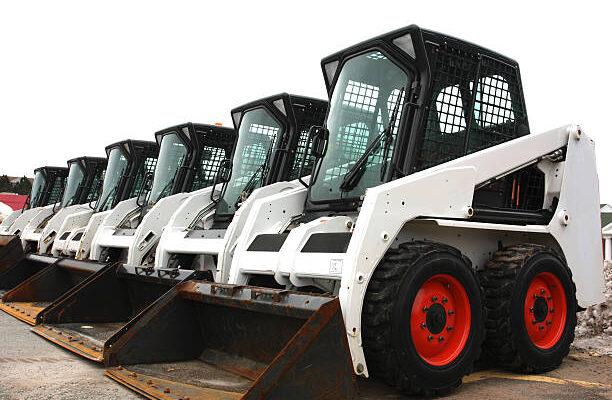
Quick Answer: Used skid steers for sale give contractors and landscapers a way to add a versatile machine to the fleet without paying new equipment prices. The best buys come from dealers who track service history, inspect hydraulics, and stand behind the machine after the sale, not just from the lowest number on a listing.
Where Can You Find Dependable Used Skid Steers For Sale?
A skid steer is one of those machines that earns its keep the day it arrives on site. Grading, demolition, snow removal, pallet work, it does all of it with one operator and a stack of attachments. So when a contractor starts hunting for used skid steers for sale, the real question isn’t whether the machine looks clean in a photo. It’s whether the hydraulics, the undercarriage, and the engine have years left in them.
Here’s the thing most buyers miss: a skid steer with low hours but a neglected maintenance log is often a worse buy than one with moderate hours and a full service history. Hour meters can be reset. Paperwork can’t be faked nearly as easily.
Why Condition Matters More Than the Brand Name
Bobcat, Case, Caterpillar, John Deere, and Kubota all build solid skid steers, and each has loyal owners who’ll argue their brand is best. That debate misses the point for a used purchase. A 2018 Bobcat S650 that sat in a heated shop and got its hydraulic fluid changed on schedule will outlast a 2021 Case SV280 that worked double shifts on a demolition site with skipped filter changes.
Track loaders versus wheeled skid steers is a separate decision entirely. Tracks handle mud, soft ground, and uneven terrain better. Wheels move faster on pavement and cost less to maintain over time. Know which jobsite conditions you’re buying for before you fall in love with a listing photo.
What to Inspect Before You Buy
Walk around the machine slowly. Check these in order:
- Hydraulic cylinders for leaks or scoring on the rod
- Undercarriage wear on tracked units, since replacement tracks run into thousands of dollars
- Tire tread depth and sidewall cracking on wheeled units
- Bucket pins and bushings for play that signals heavy use
- Cab controls and joysticks for smooth, consistent response
- Engine hours against the service records, not just the dash readout
A reputable construction equipment supplier will let you run the machine under load, not just idle it in a parking lot. If a seller hesitates to let you test the hydraulics with an attachment attached, walk away. That hesitation usually means something.
Pricing Reality for Used Skid Steers
Expect to pay 40 to 60 percent of new retail for a machine with 1,500 to 2,500 hours in good mechanical shape. Machines under 1,000 hours from a dealer with a documented inspection often command closer to 65 to 75 percent of new price, and that premium is usually worth paying if your crew runs the machine daily.
Financing terms differ wildly between private sellers and dealers. A dealer can often arrange financing through the same channels used for new equipment, which matters if cash flow is tight during a busy season.
PCI Heavy Equipment lists inspected used skid steers for sale with documented hour histories, which takes a lot of the guesswork out of the process for buyers who don’t want to gamble on an unknown machine.
Attachments Change the Math
A skid steer without attachments is half a machine. Buckets, forks, augers, grapples, and brush cutters turn one chassis into a dozen different tools. When pricing out a used purchase, ask whether attachments are included or sold separately, and check that the auxiliary hydraulic flow on the machine actually matches what your attachments need. High flow and standard flow aren’t interchangeable, and mismatched flow rates will damage attachments over time.
The Inspection Report You Should Ask for
Any seller worth buying from should hand over a written inspection report, not a verbal promise. That report should cover compression testing, hydraulic pressure readings, and undercarriage wear measurements on tracked models. If a seller can’t produce one, request a third party inspection before closing, even if it costs a few hundred dollars. That cost is nothing compared to a blown hydrostatic pump six weeks after purchase.
Frequently Asked Questions
Q: How many hours is too many on a used skid steer?
A: Most well maintained skid steers run reliably to 5,000 hours. Past that point, major components like the hydrostatic pump and drive motors start needing rebuilds, so factor that cost into your offer.
Q: Are tracked skid steers worth the extra cost over wheeled models?
A: Tracks make sense for landscaping, mud, and soft ground work. For pavement, demolition, and general contracting, wheeled units are cheaper to maintain and move faster between tasks.
Q: What’s a fair price for a 2019 model with 2,000 hours?
A: Expect somewhere between 45 and 55 percent of original MSRP, depending on attachment inclusion and documented service history.
Q: Should I buy from a private seller or a construction equipment supplier?
A: A supplier typically offers inspection reports, warranty options, and financing, which reduces risk. Private sales can be cheaper but put more burden on the buyer to verify condition.
Q: Do used skid steers come with any warranty?
A: Many dealers offer limited powertrain warranties on inspected used units, usually 30 to 90 days. Always get warranty terms in writing before purchase.










Comments