
 By
By 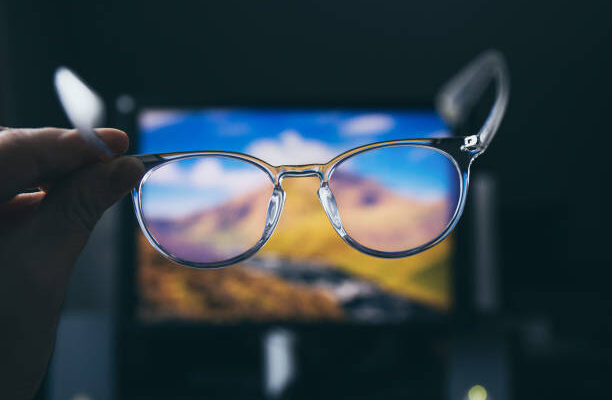
Quick Answer
Blue light glasses filter a slice of the high energy visible light that screens give off, but most everyday eye strain actually comes from reduced blinking, poor screen distance, and dry air, not wavelength alone. They still help many people. Just not always for the reason the packaging claims.
Why Your Eyes Feel Wrecked by 6 PM
Your eyes feel gritty by mid afternoon. You blink less than you think while staring at a monitor, sometimes as little as five times a minute instead of the usual fifteen to twenty. By evening, your vision blurs for a second or two every time you look away from the screen. That single complaint turned blue light glasses from a niche optometry recommendation into a checkout counter impulse buy.
Here’s the thing most people miss: the strain you feel is called digital eye strain, or computer vision syndrome, and the American Optometric Association has studied it for years. Blue light is only one piece of a much bigger picture that includes screen brightness, glare, posture, and how long you go without blinking.
What Blue Light Actually Does
Blue light sits at the short wavelength end of the visible spectrum, roughly 380 to 500 nanometers. It carries more energy per photon than red or yellow light, which is why researchers originally worried about retinal stress from prolonged exposure. Sunlight is actually the largest source of blue light you encounter each day, far more than any laptop or phone.
Screens do emit blue light, but at a fraction of outdoor levels. A 2020 review published in the journal Ophthalmic and Physiological Optics found no strong evidence that blue light from screens causes lasting retinal damage at normal viewing distances and durations. That doesn’t mean the discomfort isn’t real. It means the cause is more layered than a single wavelength.
Where the Eye Strain Actually Comes From
Dry eye is the biggest overlooked factor. When you focus on a screen, your blink rate drops and each blink tends to be partial rather than full, so the tear film doesn’t spread evenly. Add office air conditioning or a heater running nearby, and the surface of your eye dries out fast.
Screen distance and font size matter too. Most people sit closer to a laptop than they would to a book, which forces the eye’s focusing muscles to work harder for longer stretches. Glare from overhead lighting or a bright window behind the monitor adds another layer of fatigue that has nothing to do with blue light at all.
I’ve talked to opticians who say the same thing every time: patients arrive convinced they need special lenses, and half the fix turns out to be moving their monitor six inches back and adjusting the brightness to match the room.
So Do Blue Light Glasses Help or Not
They can, just through a different mechanism than most marketing suggests. Blue light glasses reduce glare and contrast harshness on screens, which lowers the effort your eyes put into focusing over a long session. Some wearers also report that filtering blue light in the two to three hours before bed improves sleep onset, since blue wavelengths suppress melatonin production more than warmer light does.
A small study from the University of Houston College of Optometry found that participants wearing blue light filtering lenses reported less eye fatigue during two hour computer sessions compared to a control group, even though objective measures of visual performance didn’t change much. That gap between subjective comfort and measurable difference is worth sitting with. Comfort matters, even when the mechanism isn’t fully proven.
Is this always the right call? No. If your main issue is dryness, glasses alone won’t fix it. But paired with the 20-20-20 rule (every 20 minutes, look at something 20 feet away for 20 seconds), they can meaningfully cut down end of day fatigue for heavy screen users.
Choosing a Pair That Actually Works
Not all lenses labeled as blue light blocking filter the same percentage of light. Cheap lenses sometimes filter under 10 percent, while prescription grade coatings can block 30 to 50 percent of the 415 to 455 nanometer range where the strongest research interest sits. Look for a stated filtering percentage rather than a vague claim on the box.
Frame fit matters just as much as the lens coating. A pair that sits too far from your face lets peripheral light in around the edges, undercutting whatever filtering the lens provides. Get properly fitted frames, whether you’re buying single vision, progressive, or non prescription screen lenses.
The Real Fix Is Usually a Combination
Eye strain rarely has one cause, so it rarely has one fix. Blue light glasses are a reasonable piece of the puzzle, especially for people who spend six or more hours a day in front of a screen. Pair them with better lighting, a proper screen distance, and conscious blinking, and most people notice a real difference within a couple of weeks. Skip the glasses and ignore the rest, and you’re just treating one symptom out of five.
Frequently Asked Questions
Q: Do blue light glasses actually work for eye strain?
A: They help some people by reducing screen glare and contrast harshness, though the strain itself usually has multiple causes beyond blue light exposure.
Q: Can blue light glasses damage your eyes if you wear them all day?
A: No. There’s no evidence that wearing them constantly causes harm, though there’s also no need to wear them outside of screen time.
Q: Do blue light glasses help you sleep better?
A: Wearing them in the evening before bed may reduce melatonin suppression from screens, which some users find improves sleep onset.
Q: How is blue light exposure from screens different from sunlight?
A: Sunlight delivers far more blue light than any screen. Indoor screen exposure is a small fraction of what your eyes handle outdoors on a clear day.
Q: Do I need a prescription to get blue light glasses?
A: No. Non prescription versions exist for people with normal vision who just want the filtering coating for long screen sessions.











Comments