
 By
By 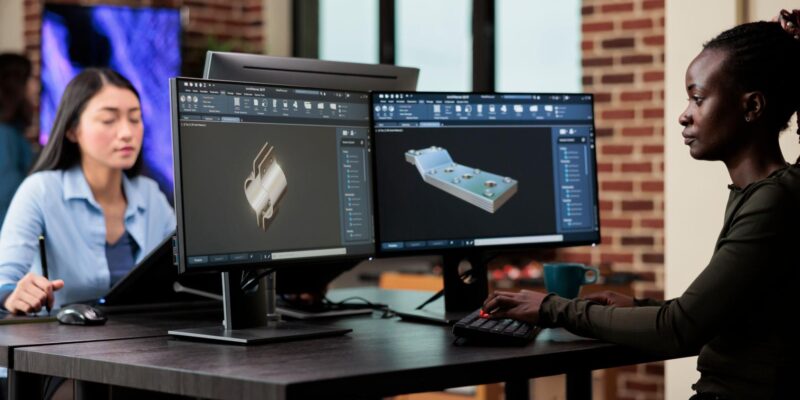
Bringing a new product idea to life involves much more than creativity. Businesses must consider functionality, engineering, user experience, manufacturing, and market demand before launching a successful product.
This is why many companies invest in professional product design services to guide the entire development process. Whether you are a startup building your first product or an established company improving an existing design, understanding the product design journey can help you make smarter business decisions.
Here is a step-by-step breakdown of what to expect when working with a professional product design team.
Step 1: Initial Discovery and Idea Discussion
The first stage focuses on understanding your product idea, business goals, and target audience. During this phase, the design team gathers information about your vision and project requirements.
Discussions usually include:
- Product purpose
- Target customers
- Market challenges
- Desired features
- Budget expectations
- Timeline goals
This step helps establish a clear development strategy before design work begins.
Professional design teams may also review competitor products and identify opportunities to improve functionality or user experience.
Step 2: Research and Market Analysis
Before creating designs, product specialists perform research to validate the concept and reduce development risks.
This phase often includes:
User Research
Understanding customer behavior and preferences helps designers create products that solve real problems.
Competitive Analysis
Reviewing competing products helps identify industry trends and market gaps.
Technical Feasibility
Engineers evaluate whether the product can realistically be manufactured within the desired budget and specifications.
Research helps businesses avoid costly mistakes while improving product-market fit.
Step 3: Concept Development and Sketching
Once research is complete, the design team begins generating product concepts. Early concepts may include hand sketches, digital renderings, or basic 3D models.
At this stage, designers explore:
- Product shape and appearance
- Functional layout
- Material options
- User interaction
- Ergonomic considerations
Multiple design directions are often presented so clients can compare ideas and provide feedback before development moves forward.
This collaborative process ensures the final product aligns with both customer needs and business goals.
Step 4: 3D Modeling and Engineering Design
After selecting a concept, designers create detailed 3D CAD models and engineering files.
This stage is important because it transforms creative ideas into manufacturable designs. Engineers focus on:
- Product dimensions
- Internal components
- Structural integrity
- Assembly methods
- Material performance
Professional product design and development services combine industrial design with engineering expertise to ensure products are both visually appealing and technically functional.
Detailed CAD files also help manufacturers prepare tooling and production plans later in the process.
Step 5: Prototyping and Product Testing
Prototyping allows businesses to evaluate how the product performs in real-world conditions before mass production begins.
Physical prototypes help test:
- Product functionality
- Durability
- Comfort and usability
- Design accuracy
- Mechanical performance
Rapid prototyping technologies such as 3D printing make it easier to create test models quickly and efficiently.
Feedback collected during testing often leads to design refinements that improve product quality and customer satisfaction.
Step 6: Design Revisions and Optimization

Few products are perfect after the first prototype. Most projects require revisions based on testing results, technical findings, or user feedback.
During this stage, design teams optimize the product by improving:
Manufacturing Efficiency
Simplifying production processes can reduce manufacturing costs.
Product Performance
Adjustments improve reliability, durability, and functionality.
User Experience
Design refinements make products easier and more comfortable to use.
Optimization ensures the final design is practical for large-scale manufacturing while maintaining product quality.
Step 7: Manufacturing Preparation
Once the design is finalized, the project moves into manufacturing preparation. This stage focuses on creating the technical documentation needed for production.
Deliverables may include:
- Engineering drawings
- Bill of materials
- Assembly instructions
- Production specifications
- Manufacturing guidelines
Product designers often work directly with manufacturers to ensure the product can be produced efficiently and consistently.
Proper preparation helps minimize production delays and quality issues.
Step 8: Production Support and Ongoing Improvements
Many product design firms continue supporting businesses after production begins. This support may include quality control assistance, manufacturing troubleshooting, or product improvements based on customer feedback.
As products enter the market, businesses may also update features, materials, or packaging to remain competitive.
Long-term collaboration with design professionals helps companies adapt products for changing market demands and future growth opportunities.
Final Thoughts
Hiring professional product design experts gives businesses a structured path from concept to production. Instead of navigating complex development challenges alone, companies gain access to experienced designers, engineers, and manufacturing specialists who help improve efficiency and product quality.


Comments