
 By
By 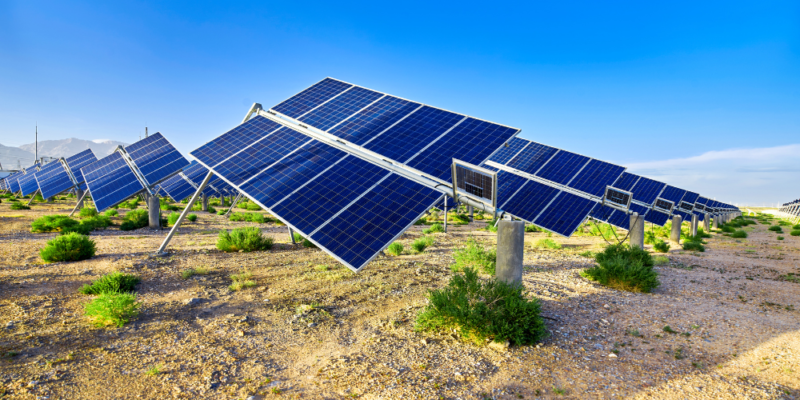
Solar energy is evolving fast, and one innovation is quietly changing the game: solar trackers. As the demand for clean, efficient, and cost-effective renewable energy grows, traditional fixed solar panels are starting to feel outdated. Solar trackers, which follow the sun’s movement throughout the day, are delivering higher energy yields and better returns on investment, making them impossible to ignore in the future of solar power.
The Future of Solar Energy and the Rise of Solar Trackers
Solar energy has always been about maximizing exposure to sunlight. While fixed solar panels capture energy from a single angle, solar trackers dynamically adjust panel positions to stay aligned with the sun. This simple concept is driving a major shift in how solar power plants and even large commercial installations are designed.
As energy efficiency becomes a top priority worldwide, solar trackers are emerging as a key technology for meeting growing power demands without increasing land or panel costs.
What Are Solar Trackers and How Do They Work?
Solar trackers are mechanical systems that orient solar panels toward the sun as they move across the sky. By maintaining the optimal angle throughout the day, they significantly increase energy production compared to stationary systems.
Single Axis Solar Trackers
Single axis trackers rotate panels along one direction, typically east to west. They are widely used in utility scale solar farms because they:
- Increase energy output by 1525%
- Are cost-effective and reliable
- Require less maintenance than more complex systems
Dual Axis Solar Trackers
Dual axis trackers move in two directions, tracking both daily and seasonal sun movement. These systems:
- Offer energy gains of up to 3540%
- Are ideal for high precision applications
- Are commonly used in research facilities and high value installations
Why Solar Trackers Are Becoming Impossible to Ignore
Several factors are accelerating the adoption of solar tracking technology across the globe.
Higher Energy Efficiency and Output
The biggest advantage of solar tracker is clear: more power from the same panels. By maintaining optimal sun alignment, trackers reduce energy losses and improve overall system efficiency.
Falling Costs and Improved Technology
Advancements in materials, automation, and control systems have made solar trackers more affordable and durable. Modern trackers are designed to withstand harsh weather conditions, making them suitable for diverse environments.
Better Return on Investment (ROI)
Although solar trackers have a higher upfront cost, increased energy production often results in faster payback periods. For utility scale projects, this improved ROI is a major driver of adoption.
The Role of Solar Trackers in Large Scale Solar Projects
Utility scale solar farms are leading the way in tracker adoption. Many new large solar projects now default to single axis tracking systems because they:
- Maximize energy generation per acre
- Improve grid stability with more consistent output
- Support national and corporate renewable energy goals
As governments and corporations push for net zero targets, solar trackers are becoming a standard feature rather than an optional upgrade.

solar tracker
Challenges and Considerations
Despite their advantages, solar trackers are not without challenges:
- Higher initial installation costs
- Increased mechanical complexity
- Maintenance requirements compared to fixed systems
However, ongoing innovation is steadily reducing these concerns, making trackers more accessible each year.
Conclusion
Solar trackers are no longer a niche technology; they are a critical component of the future of solar energy. With their ability to dramatically increase efficiency, improve ROI, and support largescale renewable energy goals, solar trackers are becoming impossible to ignore.
As solar power continues to dominate the clean energy landscape, tracking systems will play a central role in ensuring we get the most power from every ray of sunlight.











Comments