
 By
By 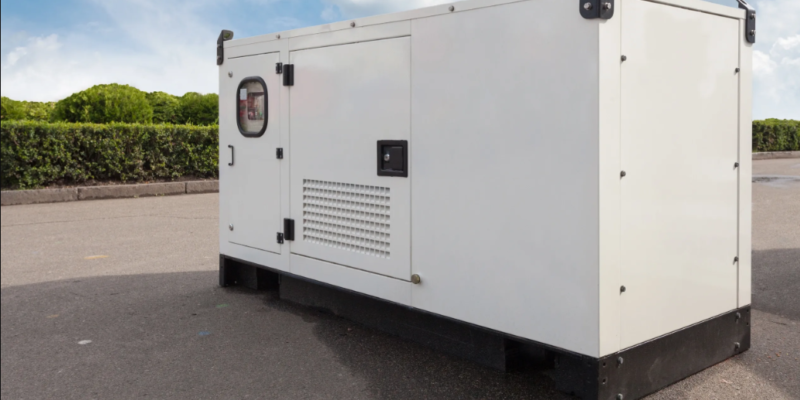
Power continuity is not a feature anymore. It’s a fundamental requirement for every commercial facility, tribal government office, healthcare building, and industrial operation across the country. When the grid fails without warning, facilities without proper generators face cascading consequences that go far beyond a temporary inconvenience. Lost revenue, compromised safety systems, damaged equipment, and frustrated occupants are just the beginning of what an unplanned outage can trigger.
The honest truth is that most facility managers don’t think about backup power until something goes wrong. A storm knocks out the regional grid for 18 hours. A utility fault sends three floors of a hospital into darkness. A casino loses power during peak weekend hours and watches thousands of dollars evaporate from the gaming floor in real time. These aren’t hypothetical situations. They happen every year across the United States, and they happen to facilities that thought their utility connection was reliable enough.
Catawba Power and Lighting was built specifically to address this gap. As a Native American-owned electrical distribution partner, they supply and coordinate commercial generator systems for tribal emergency management programs, disaster preparedness initiatives, hurricane and storm resilience planning, casino backup systems, and critical infrastructure facilities nationwide. Their approach isn’t transactional. They help clients plan for reliability from the start, not scramble for solutions after a crisis hits.
What Types of Facilities Actually Need Commercial Generators?
The short answer is: far more than most people assume. Generators aren’t just for hospitals and data centers anymore. Any facility where a power interruption causes real operational, financial, or safety consequences needs a reliable standby power solution. That list is longer than it looks.
Tribal governments serve remote communities where aging utility infrastructure and extreme weather exposure create genuine vulnerability. Healthcare facilities cannot afford even a brief power interruption when patients depend on electrically powered equipment. Manufacturing plants running continuous production lines lose significant output when machines go offline unexpectedly. Commercial developers building mixed-use properties know that tenants expect uninterrupted service as a baseline condition of occupancy.
Catawba Power and Lighting serves all of these environments. Their client base spans tribal governments, tribal casinos, emergency management committees, healthcare facilities, manufacturing and industrial operations, and commercial developers. That diversity of experience gives them a practical understanding of how different facilities define “reliable power” and what it actually takes to deliver it.

How Do You Choose the Right Generator Capacity?
Capacity selection is where a lot of projects go sideways. Undersizing a generator creates voltage instability and risks equipment damage under load. Oversizing wastes capital and produces a system that runs inefficiently during partial-load operation. Neither outcome is acceptable for a mission-critical facility.
The right approach starts with a proper load analysis. Every piece of electrically powered equipment in the facility needs to be inventoried, including its startup current draw, which is almost always higher than running current. HVAC systems, elevators, lighting circuits, IT infrastructure, kitchen equipment, and security systems all have to be factored in. The goal is a generator that covers peak demand with enough headroom to handle startup surges without faltering.
Catawba Power and Lighting brings infrastructure-level expertise and strategic manufacturer relationships to this process. They don’t hand clients a product catalog and wish them luck. They work through specifications, help identify the right equipment, and coordinate delivery timelines to keep projects on schedule. For tribal facilities managing complex infrastructure upgrades or commercial developers working against tight construction deadlines, that kind of hands-on support is genuinely valuable.
Facilities that work with generators supplied through a specialized distributor like Catawba Power and Lighting avoid the common pitfalls that plague projects sourced through generalist channels. Competitive procurement, reliable timelines, and clear communication are built into how they operate, not treated as optional extras.
Why Standby Systems Outperform Portable Units for Commercial Applications
Portable generators have their place. They’re useful for temporary construction power, small-scale emergency applications, and situations where a permanent installation isn’t practical. But for any facility with ongoing operational requirements, a standby system is the only real answer.
Standby generators are permanently installed, connected directly to the facility’s electrical distribution infrastructure, and programmed to start automatically the moment grid power fails. There’s no human intervention required. No one has to run outside in a storm to pull a starter cord. No one has to string extension cords through hallways or worry about carbon monoxide from an improperly ventilated portable unit. The system simply activates, often within 10 to 30 seconds of a grid failure, and the facility continues operating.
This automatic response capability is especially critical for tribal emergency management facilities and healthcare buildings where night-shift staff may be minimal and the ability to respond manually to an outage is limited. A standby system removes that dependency entirely.
Real-World Example: Tribal Casino Resilience During Hurricane Season
Picture a tribal casino operating across a large coastal region during hurricane season. The facility runs 24 hours a day, seven days a week. Gaming floors, hotel rooms, restaurants, security systems, and back-office operations all depend on continuous power. When a hurricane warning goes out, the question isn’t whether the grid will fail. It’s how long the facility can keep running when it does.
With a properly specified and installed standby generator system, the answer is: as long as fuel supply allows. Guests on the gaming floor experience a brief transition, lights flicker for a second, and then everything continues. Security cameras stay active. Point-of-sale systems keep processing transactions. Kitchen equipment stays operational. The hotel keeps its guests comfortable. That level of resilience doesn’t happen by accident. It’s the result of working with a distributor who understood the facility’s requirements before sourcing a single piece of equipment.
What Makes Generac Generators a Leading Choice for Commercial Projects?
When facility managers and contractors start researching standby power solutions, Generac generators come up consistently as a benchmark brand in the commercial and industrial space. Generac has built a strong reputation for producing reliable, well-supported standby systems that range from residential-scale units all the way up to large commercial and industrial installations. Their product line covers a wide range of output capacities, fuel options, and control system configurations, making them adaptable to diverse project requirements.
What makes Generac particularly relevant for commercial applications is the combination of product range and support infrastructure. Commercial projects often require generator systems that integrate cleanly with existing switchgear, transfer switches, and building automation systems. Generac’s commercial lineup is designed with those integration requirements in mind, and working with a knowledgeable distributor who understands both the product and the application makes the difference between a smooth installation and a frustrating one.
Catawba Power and Lighting partners with leading manufacturers to ensure their clients receive reliable emergency power equipment suited to real-world commercial and tribal facility demands. Their direct-ship distribution capabilities and nationwide project support mean that sourcing the right generator doesn’t have to mean long lead times or confusing procurement processes.
Conclusion
Investing in the right generator system is one of the most consequential infrastructure decisions a facility manager can make. The difference between a facility that weathers a power outage smoothly and one that loses thousands of dollars and faces operational chaos often comes down to whether the right planning happened before the crisis. Catawba Power and Lighting brings Native-owned expertise, strategic manufacturer relationships, and a genuine commitment to long-term partnerships to every generator project they support. Whether you’re planning emergency resilience for a tribal government, protecting a casino’s revenue stream, or ensuring a healthcare facility never loses power at the wrong moment, working with a distributor who understands the stakes changes everything.
FAQ
Q: What is the difference between a standby generator and a portable generator? A: Standby generators are permanently installed and activate automatically during a power outage, while portable generators require manual setup and are suited for temporary or small-scale use.
Q: Are Generac generators suitable for large commercial facilities? A: Yes. Generac produces a full commercial and industrial product line designed for sustained operation, switchgear integration, and high-capacity applications across healthcare, casino, tribal, and manufacturing environments.
Q: How does Catawba Power and Lighting support generator procurement? A: They leverage strategic manufacturer relationships and infrastructure-level expertise to source the right equipment, coordinate delivery timelines, and support clients from specification through project completion.








Comments