
 By
By 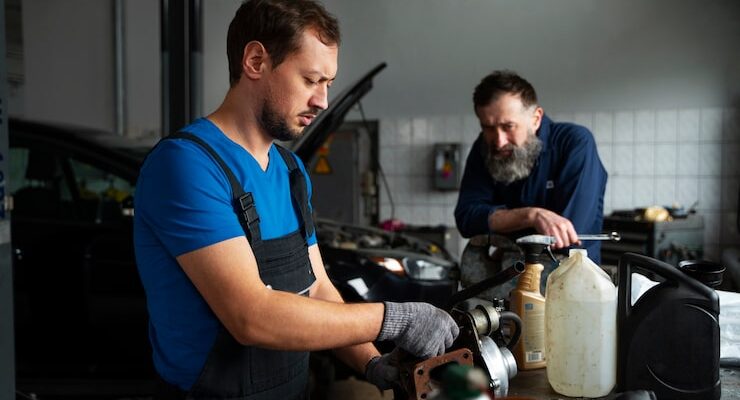
Clean components are essential for smooth machine performance. Dirt, grease, oil, and metal shavings build up during daily operations. If these contaminants stay on parts, they can cause wear, reduce efficiency, and shorten equipment life.
A parts washer helps remove these materials quickly and safely. It cleans machine components before repairing, assembly, or inspection. Industries such as automotive, manufacturing, aviation, and maintenance shops rely on this tool every day.
In this guide, you will learn how parts washers work, why they matter, and how to choose the right one for your workshop.
Why Every Workshop Needs a Parts Washer
Machines contain many small and complex components. Bearings, gears, filters, and engine parts collect grease and debris during operation. Cleaning these parts by hand takes time and often leaves residue behind.
A parts washer solves this problem by using cleaning fluid, pressure, and circulation to remove contaminants.
Key Benefits:
- Faster maintenance work – Mechanics clean parts in minutes rather than hours.
- Improved inspection accuracy – Clean surfaces make cracks, wear, or damage easier to detect.
- Longer equipment life – Removing debris prevents friction and overheating.
- Safer working conditions – Many washers use enclosed systems that limit chemical exposure.
For example, an auto repair shop may clean brake assemblies before inspection. A manufacturing plant may wash gears before assembly. Both tasks require reliable cleaning.
Types Of Parts Washers Used in Industry
Different industries require different cleaning systems. The right washer depends on the size of parts, level of contamination, and cleaning speed required.
Solvent Parts Washers: These machines use solvent-based cleaning fluids to break down grease and oil. Mechanics often use them in small workshops or garages.
Example: A technician cleaning engine bolts before reinstallation.
Aqueous Parts Washers: These washers use water-based detergents and heat. They are common in large manufacturing facilities where environmental safety is a priority.
Example: A factory cleaning metal components before coating or painting.
Ultrasonic Parts Washers: These systems use sound waves to create tiny bubbles that remove dirt from small or complex components.
Example: Cleaning precision tools, injectors, or carburetor parts.
Choosing The Right Parts Washer For Your Workshop
Selecting the right equipment depends on your workload and cleaning needs. Consider several factors before making a decision.
Size And Capacity: Large shops often handle bulky components such as engine blocks or industrial gears. A compact unit may work for small tools but not for heavy machinery.
Cleaning Power: Different levels of contamination require different cleaning strength. Thick grease may need heated or solvent systems.
Efficiency And Safety: Modern washers often include filtration systems, temperature control, and closed cleaning cycles. These features reduce waste and protect workers.
Maintenance Requirements: Simple designs with replaceable filters and accessible tanks reduce downtime and keep operations smooth.
Practical Example Of Using A Parts Washer In Maintenance
Imagine a manufacturing plant that runs several conveyor systems. Over time, gearboxes collect oil sludge and metal particles. Maintenance technicians remove the gears and clean them in a washer.
After cleaning, technicians inspect each gear for wear. Because the parts are spotless, small cracks become visible. The team replaces damaged parts before failure occurs. This process prevents unexpected shutdowns and saves repair costs.
Pro Tip For Better Cleaning Results
- Always remove loose debris before placing parts in the washer.
- Use compressed air or a brush to remove large dirt particles before washing.
- This simple step keeps the cleaning fluid effective for longer and improves final results.
Conclusion
A parts washer is more than a cleaning tool. It supports better maintenance, safer work environments, and longer machine life. Clean parts allow technicians to detect problems early and assemble components with confidence.
Workshops that invest in proper cleaning systems often see faster repairs, improved equipment reliability, and reduced downtime. By choosing the right washer and using it correctly, businesses can maintain strong operational performance for years.











Comments