
 By
By 
For most property owners, a parking lot or driveway is just a surface to walk and drive on. But seasoned real estate investors and business operators see it differently. The condition of your paved surfaces says something about your brand, your attention to detail, and frankly, your bottom line. Whether you manage a strip mall, a commercial complex, or a multi-family property, investing in a solid asphalt paving strategy is one of the smartest decisions you can make. Cracked, uneven, or faded lots drive customers and tenants away before they even reach your front door. The good news is, with the right approach, this is entirely preventable.
The Real Cost of Ignoring Your Pavement
Most property managers know the pain of deferred maintenance. A small crack today becomes a pothole tomorrow, and that pothole becomes a liability claim next spring. In northern climates especially, freeze-thaw cycles are relentless. Water seeps into surface cracks, expands when it freezes, and breaks apart the base from the inside out. The structural damage compounds quietly beneath the surface long before it becomes visible.
The math is not complicated. Routine seal coating and crack filling typically costs a fraction of what a full replacement runs. Industry professionals commonly estimate that proactive maintenance extends pavement life by up to double compared to reactive repair cycles. Businesses that factor this into their annual property budgets avoid the kind of emergency spending that wrecks cash flow projections.
Building a Pavement Maintenance Plan That Actually Works
A solid maintenance plan starts with a professional assessment. You need to know the age of the existing surface, the quality of the sub-base, and any drainage issues that could be accelerating wear. From there, a qualified contractor can help you build a multi-year schedule that covers seal coating intervals, crack repair timing, and eventual resurfacing milestones.
Timing matters too. The best paving and sealing work happens in warm, dry weather, typically late spring through early fall. Scheduling your contractor early in the season means you avoid the rush, lock in better pricing, and get crews that are not overextended. Property managers who plan their asphalt paving work in February and March, rather than waiting until July, consistently report better outcomes and fewer delays.
What to Look for in a Quality Paving Contractor
The paving industry, like any trade, has its share of operators who cut corners. Knowing what to look for separates a smart hire from an expensive mistake. Start with local reputation. A contractor who has been working in your region for years will understand soil conditions, drainage patterns, and the specific challenges your climate presents.
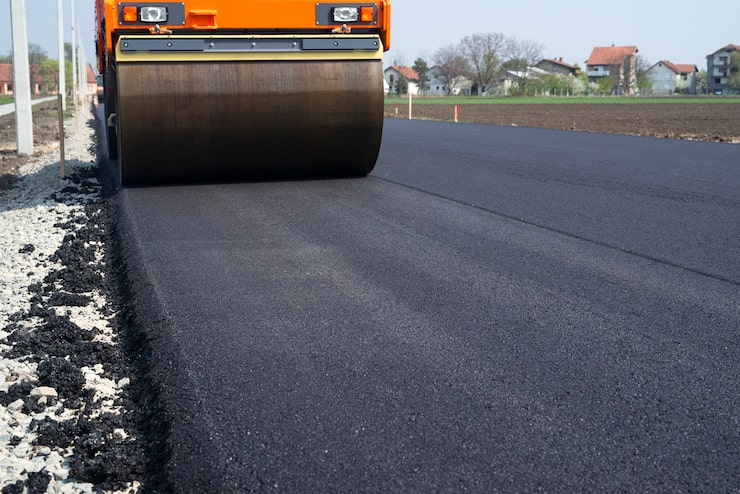
Ask about mix design. Not all asphalt is equal. Higher traffic areas need different aggregate blends than residential driveways. A contractor who takes the time to discuss mix specs, compaction methods, and base preparation is one who takes craftsmanship seriously. Businesses and property owners across Ontario have found that working with established local specialists, such as those offering professional asphalt paving services, results in longer-lasting surfaces and fewer costly surprises down the road.
The Future of Pavement Management
Technology is quietly transforming how property managers think about pavement. Drone-based surface inspections can now map crack patterns and identify failure zones that are invisible to the naked eye. Pavement management software helps large portfolio owners track maintenance schedules, spending, and expected replacement timelines across dozens of properties from a single dashboard.
Sustainable materials are also gaining ground. Recycled asphalt content, permeable pavement options, and cooler-surface mixes are all becoming more mainstream as municipalities and building certifications place greater emphasis on environmental performance. Smart property owners who get ahead of these trends position themselves well for future regulatory requirements and tenant expectations.
Conclusion
A strategic approach to asphalt paving is not just about maintaining appearances. It is about protecting your asset, managing liability, and demonstrating that your property is well-run. When you treat your pavement as a long-term investment rather than a recurring expense, the financial logic becomes clear. Plan early, hire well, and maintain consistently. Your property value, and your tenants, will reflect it.






Comments