
 By
By 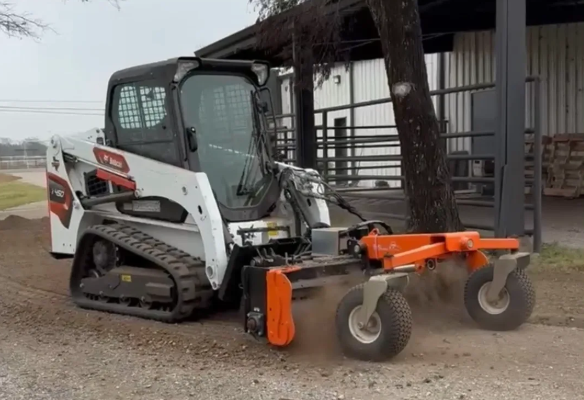
A driveway is more than just a path to your garage; it’s the first impression of your home. Over time, even the sturdiest gravel driveway can develop potholes, ruts, and uneven surfaces due to weather, frequent traffic, or improper drainage. But don’t worry, gravel driveway repair doesn’t have to be a daunting task. With the right approach, you can restore both functionality and curb appeal in a cost-effective way.
Why Gravel Driveways Need Attention
Gravel driveways are popular because they are affordable, versatile, and visually appealing. However, without regular maintenance, they can quickly deteriorate. Common issues include:
- Potholes and erosion: Water can wash away gravel, creating uneven surfaces.
- Weed growth: Over time, weeds find their way through the gravel, compromising the driveway structure.
- Compaction and rutting: Frequent vehicle use can compact the gravel, causing depression.
Neglecting these issues can lead to expensive repairs down the line, so timely action is key.
How to Approach Gravel Driveway Repair
When planning a gravel driveway repair, it’s important to follow a methodical approach. Here’s a step-by-step guide to help you get the best results:
- Assess the Damage
Before grabbing your shovel, take a close look at the driveway. Identify potholes, low spots, and areas with excessive gravel loss. Understanding the extent of damage will help you determine how much material you’ll need and which areas require leveling.
- Remove Debris and Weeds
Clear out any debris, old gravel chunks, and weeds from the damaged sections. This step ensures that your new gravel layer adheres properly and prevents future weed growth. A single thorough cleaning can dramatically improve the longevity of your repair.
- Level and Fill Low Spots
Use a rake or shovel to level uneven areas. For deep potholes, fill them with a base layer of larger stones, then top with finer gravel to match the existing driveway. Compacting each layer with a plate compactor or tamper ensures stability and prevents future sinking.
- Add Fresh Gravel
Once the surface is even, spread a fresh layer of gravel evenly across the driveway. Choosing the right gravel size is crucial; smaller stones work well for smoothing the surface, while larger stones provide durability.
- Regular Maintenance Tips
Even after a successful gravel driveway repair, ongoing maintenance will extend its lifespan. Consider these tips:
- Regrade the driveway periodically to prevent water pooling.
- Add new gravel every few years to maintain thickness.
- Keep an eye on edges to prevent spreading onto lawns or gardens.
Benefits of a Well-maintained Gravel Driveway
A well repaired gravel driveway offers more than just aesthetics. It improves drainage, reduces vehicle wear and tear, and can increase the overall value of your property. Additionally, the natural look of gravel complements many home styles, offering a rustic yet refined appearance.
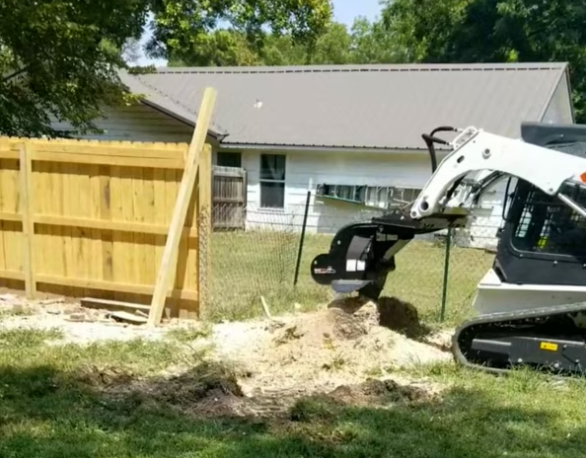
gravel driveway repair
Quick Tip: DIY vs. Professional Help
For minor repairs, DIY methods can be effective and budget friendly. However, if your driveway has extensive damage or drainage issues, hiring a professional ensures proper grading, compaction, and material selection. Investing professional assistance can save time and prevent recurring problems.
Conclusion
Repairing a gravel driveway doesn’t have to feel overwhelming. Following structured steps assessing damage, clearing debris, leveling surfaces, and adding fresh gravel you can restore both function and charm to your home’s exterior. Whether you choose to tackle the repair yourself or hire a professional, staying proactive with maintenance ensures your driveway remains smooth, safe, and visually appealing for years to come.













Comments