
 By
By 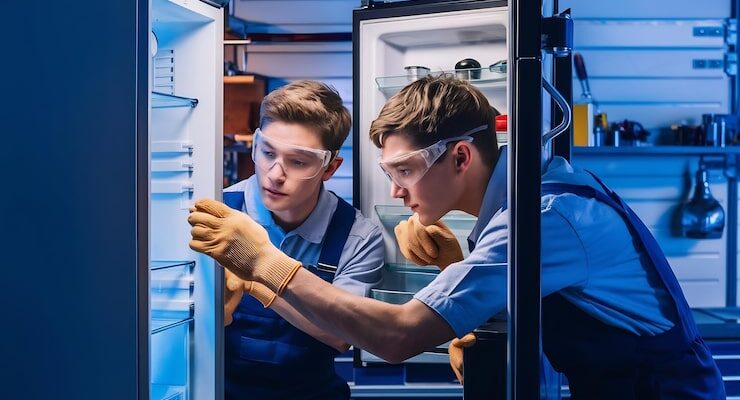
A walk-in freezer is the backbone of many commercial operations, from restaurants to medical facilities. When it stops working properly, the impact can be immediate and costly. Understanding what walk in freezer repair involves helps business owners act quickly, reduce downtime, and prevent product loss. This process is not just about fixing a visible issue. It includes diagnosing hidden problems, restoring efficiency, and ensuring long-term performance.
In this guide, we will break down the key components of repair, highlight real-world examples, and share expert tips to keep your system running smoothly.
What Is Walk In Freezer Repair And Why It Matters
Walk in freezer repair refers to the inspection, diagnosis, and fixing of mechanical, electrical, and structural issues within a freezer unit. These systems operate continuously, which means wear and tear is inevitable over time.
A malfunctioning freezer can lead to inconsistent temperatures, frost buildup, or complete system failure. For example, a restaurant storing frozen meat may face thousands in losses if the freezer temperature rises overnight. Repair services ensure that the system returns to optimal performance while maintaining food safety standards.
Common Signs Your Freezer Needs Repair
Recognizing early warning signs can save both time and money. Here are some indicators that repair is needed:
- Unusual noises such as grinding or buzzing coming from the compressor
- Excessive frost buildup on walls or evaporator coils
- Temperature fluctuations or inability to maintain freezing levels
- Water leakage around the unit
- Higher electricity bills due to inefficiency
Ignoring these signs can turn a minor issue into a major breakdown.
Key Components Involved In Walk In Freezer Repair
A professional technician evaluates several critical components during the repair process. Each part plays a vital role in maintaining proper cooling.
Compressor System: The compressor is the heart of the freezer. It circulates refrigerant and maintains pressure. If it fails, the entire system stops cooling.
Evaporator And Condenser Coils: These coils handle heat exchange. Dirty or damaged coils reduce efficiency and cause temperature instability.
Thermostat And Sensors: Faulty thermostats can misread temperatures, leading to overcooling or undercooling.
Door SealsAndInsulation : Damaged seals allow warm air to enter, forcing the system to work harder and increasing energy consumption.
Electrical Components: Wiring issues, blown fuses, or control board failures can disrupt the entire system.
For example, a grocery store freezer with a worn door gasket may run continuously, leading to higher energy costs and uneven cooling.
Walk In Freezer Repair Process Step By Step
Understanding the repair process helps you know what to expect when calling a professional.
Initial Inspection: Technicians begin with a thorough inspection to identify visible and hidden issues. They check temperature readings, airflow, and system performance.
Diagnosis: Using specialized tools, they pinpoint the root cause of the problem. This may involve checking refrigerant levels, testing electrical connections, and examining mechanical parts.
Repair And Replacement: Damaged components are repaired or replaced. This could include fixing leaks, replacing a compressor, or cleaning coils.
Testing And Calibration: After repairs, the system is tested to ensure it operates efficiently. Temperature settings are calibrated for optimal performance.
Preventive Recommendations: Technicians often provide maintenance advice to prevent future issues.
Pro Tip: Schedule routine maintenance every 3 to 6 months to catch small issues before they become expensive repairs.
Walk In Freezer Repair Cost Factors
The cost of walk in freezer repair can vary depending on several factors. Understanding these helps in budgeting and decision-making.
- Type of issue such as minor electrical fault versus major compressor failure
- Age and condition of the freezer
- Availability of replacement parts
- Labor charges and service urgency
For example, replacing a simple thermostat is far less expensive than repairing a refrigerant leak combined with compressor damage.
Walk In Freezer Repair Vs Replacement: Sometimes, repair may not be the best option. Knowing when to repair or replace is crucial.
When Repair Is Ideal: If the issue is minor and the unit is relatively new, repair is usually the best choice.
When Replacement Is Better: If the freezer is over 10 to 15 years old and requires frequent repairs, replacing it may be more cost-effective in the long run.
For instance, a hotel kitchen using an outdated freezer may benefit from upgrading to a modern energy-efficient unit rather than spending repeatedly on repairs.
Preventive Maintenance Tips
Preventive care can significantly reduce the need for repairs and extend the life of your freezer.
- Clean condenser coils regularly to maintain efficiency
- Check door seals for leaks or cracks
- Monitor temperature levels daily
- Avoid overloading the freezer, which restricts airflow
Pro Tip: Keep a maintenance log to track service dates and recurring issues. This helps technicians diagnose problems faster.
Real World Example
Consider a bakery that noticed inconsistent freezing in its storage unit. Instead of ignoring the issue, they called for walk in freezer repair. The technician found a faulty thermostat and dirty coils. After cleaning and replacing the thermostat, the freezer returned to optimal performance. This quick action saved the bakery from losing valuable inventory and avoided a costly compressor failure.
Conclusion
Walk-in freezers are essential for many businesses, and their maintenance should never be overlooked. Walk in freezer repair involves more than just fixing a problem. It ensures efficiency, safety, and long-term reliability. By understanding the repair process, recognizing warning signs, and investing in preventive maintenance, you can keep your freezer running smoothly and avoid unexpected disruptions.










Comments