
 By
By 
A Brighter Future with Solar Technology
The push for renewable energy has never been more urgent. As climate change continues to challenge our planet, solutions like solar power are no longer just alternatives—they’re essential. But while installing solar panels is a fantastic step, maximizing their efficiency can make an even bigger difference. Enter the solar panel tracking system, a game-changer in harnessing the sun’s energy more effectively.
By following the sun’s path across the sky, these systems ensure solar panels absorb the maximum possible sunlight throughout the day. This technology isn’t just smart; it’s transformative for homeowners, businesses, and large-scale solar farms alike.
solar panel tracking system
What is a Solar Panel Tracking System?
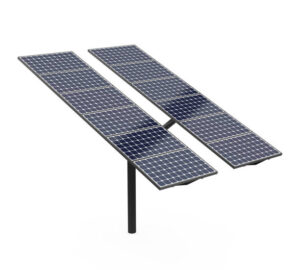
A solar panel tracking system is an innovative mechanism that automatically adjusts the orientation of solar panels to follow the sun’s trajectory. Unlike stationary panels that receive sunlight at a fixed angle, tracking systems optimize solar exposure continuously, significantly boosting energy output. Depending on the design, a tracking system can increase electricity generation by up to 30 percent compared to fixed solar panels.
Tracking systems typically come in two types: single-axis and dual-axis. Single-axis trackers follow the sun from east to west, while dual-axis trackers adjust both horizontally and vertically, ensuring the panels capture sunlight from every possible angle. This constant movement allows the panels to maintain optimal efficiency throughout the day and across seasons.
How Solar Panel Tracking Systems Improve Energy Efficiency
Energy efficiency is the cornerstone of any renewable energy solution, and this is where solar panel tracking systems truly shine. By continuously adjusting the panels’ position, these systems ensure they receive the most direct sunlight possible, even as the sun’s angle changes. This optimization allows a solar installation to generate more electricity without the need for additional panels.
The financial benefits are equally compelling. Increased energy output translates to lower energy bills and faster returns on investment. Over time, the efficiency gains from tracking systems make them a financially savvy choice for both residential and commercial installations, proving that intelligent technology can provide both economic and environmental rewards.
solar panel tracking system
Benefits Beyond Energy Production
While the efficiency gains are impressive, the advantages of solar panel tracking systems extend beyond electricity generation. By producing more renewable energy, these systems help reduce reliance on fossil fuels, contributing to a smaller carbon footprint. Additionally, generating more power with fewer panels allows for better use of available rooftop or land space, which is especially important in urban environments.
Modern tracking systems are designed to withstand a variety of weather conditions, maintaining consistent performance year-round. Many also come equipped with smart technology integration, allowing real-time monitoring and automated adjustments. This makes managing solar energy simpler and more effective, providing users with peace of mind and control over their renewable energy systems.
Real-World Applications of Tracking Systems
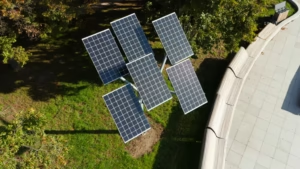
Solar panel tracking systems are not just theoretical innovations—they are being implemented successfully around the world. Large-scale solar farms often use dual-axis trackers to maximize energy output, while residential and commercial installations benefit from single-axis trackers.
Innovative applications include “agrivoltaics,” where solar panels coexist with crops, providing shade while generating power simultaneously. Urban developments are also integrating tracking systems into rooftops, parking lots, and commercial buildings, showing that this technology can be adapted to a wide range of environments and scales.
Conclusion: A Bright Path Forward
In the journey toward a sustainable future, solar panel tracking systems represent a critical step in maximizing the potential of solar energy. By intelligently following the sun’s path, these systems enhance efficiency, reduce environmental impact, and offer financial savings for users.











Comments